
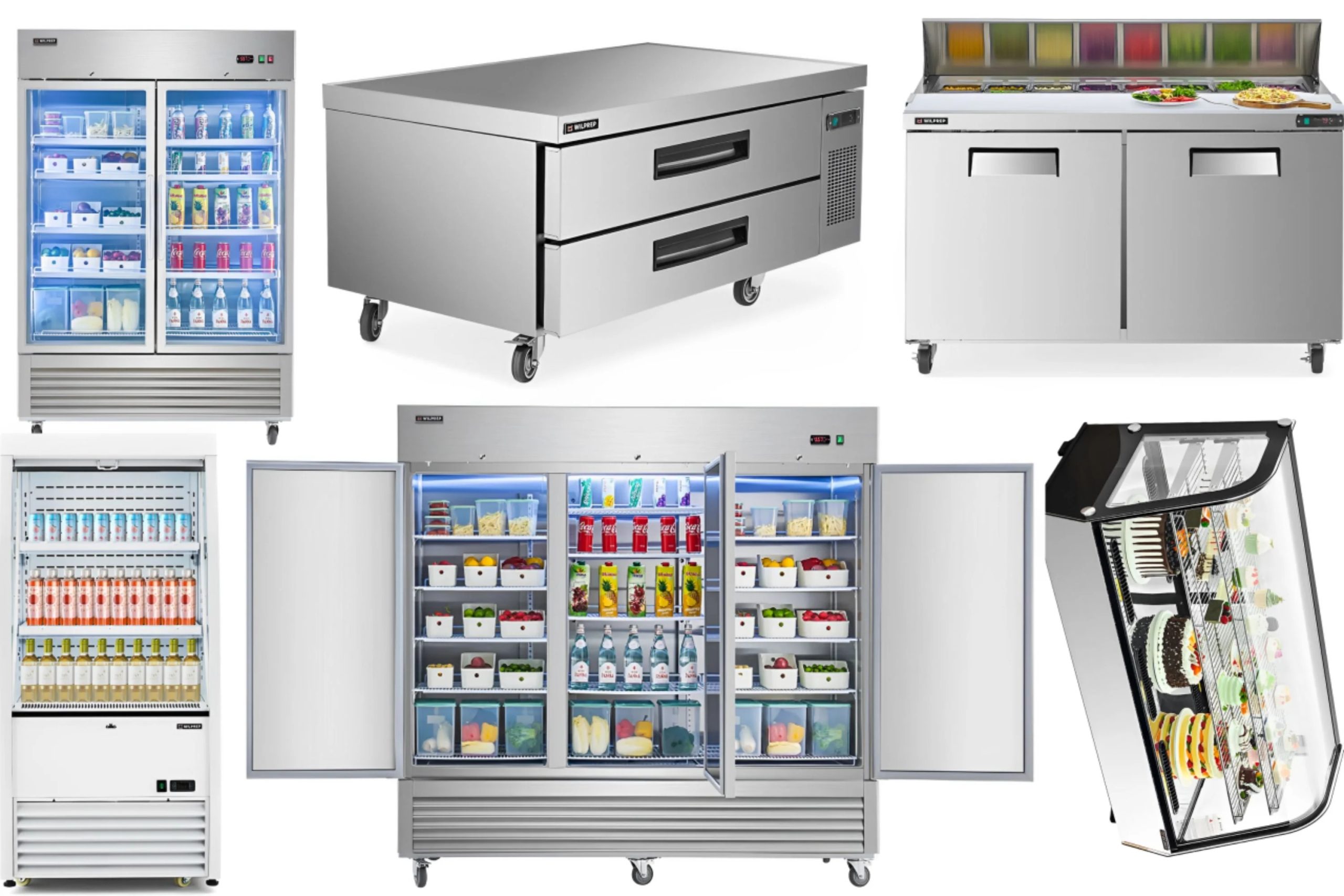
Improving efficiency in commercial refrigeration management is essential for businesses seeking to reduce operational costs, maintain product quality, and promote sustainability. Modern advancements in technology have introduced smart refrigeration systems that significantly enhance the way commercial units are monitored and controlled. These intelligent solutions provide real-time data on temperature, energy consumption, and equipment status, enabling proactive maintenance and optimized performance.
One of the primary benefits of smart commercial refrigeration management lies in its ability to maintain consistent temperatures with greater accuracy. Traditional refrigeration units often experience fluctuations due to manual settings or delayed responses to environmental changes. Smart systems use sensors and automated controls to adjust cooling cycles instantly based on current conditions inside the unit as well as external factors like ambient temperature. This precise regulation not only protects perishable goods from spoilage but also minimizes unnecessary energy usage by avoiding overcooling.
Energy efficiency is a critical concern for businesses operating multiple refrigeration units or large-scale cold storage facilities. Smart management platforms collect detailed information about each unit’s power consumption patterns throughout the day. By analyzing this data, facility managers can identify inefficiencies such as frequent compressor cycling or extended run times caused by door openings or faulty seals. Addressing these issues promptly reduces electricity bills while extending equipment lifespan through reduced wear and tear.
Remote monitoring capabilities further contribute to improved efficiency by allowing staff to oversee system performance without being physically present at every site. Alerts can be configured for abnormal temperature readings or mechanical faults so corrective actions occur before problems escalate into costly repairs or inventory losses. This continuous oversight supports better resource allocation since technicians respond only when necessary rather than conducting routine checks regardless of actual need.
In addition to operational advantages, smart Commercial Refrigeration supports compliance with food safety regulations by maintaining accurate records of temperature history automatically logged within the system software. This documentation simplifies audits and verifies that proper storage conditions were upheld consistently over time.
Implementing a smart refrigeration management solution involves integrating hardware components like IoT-enabled sensors with software platforms designed for analytics and control functions. While initial investments may be higher compared to conventional setups, long-term savings from reduced energy consumption, fewer product losses, lower maintenance expenses, and regulatory compliance justify the expenditure.
Overall, adopting smart technologies in commercial refrigeration transforms traditional practices into efficient processes driven by data insights and automation. Businesses gain enhanced control over their cooling environments while promoting sustainability goals through optimized energy use-making it a strategic choice for improving both financial outcomes and operational reliability in today’s competitive marketplace.