
Getting better cooling performance from a mini split air conditioner involves several practical steps that focus on maintenance, installation, and proper usage. Mini split systems are known for their efficiency and flexibility, but their performance can be significantly influenced by how well they are maintained and operated. One of the most important factors in enhancing cooling efficiency is ensuring that the unit is installed correctly. This means placing the indoor unit in a location where air can circulate freely without obstructions. Avoid positioning it near heat sources, direct sunlight, or areas with poor airflow, as these conditions can reduce the system’s ability to cool effectively.
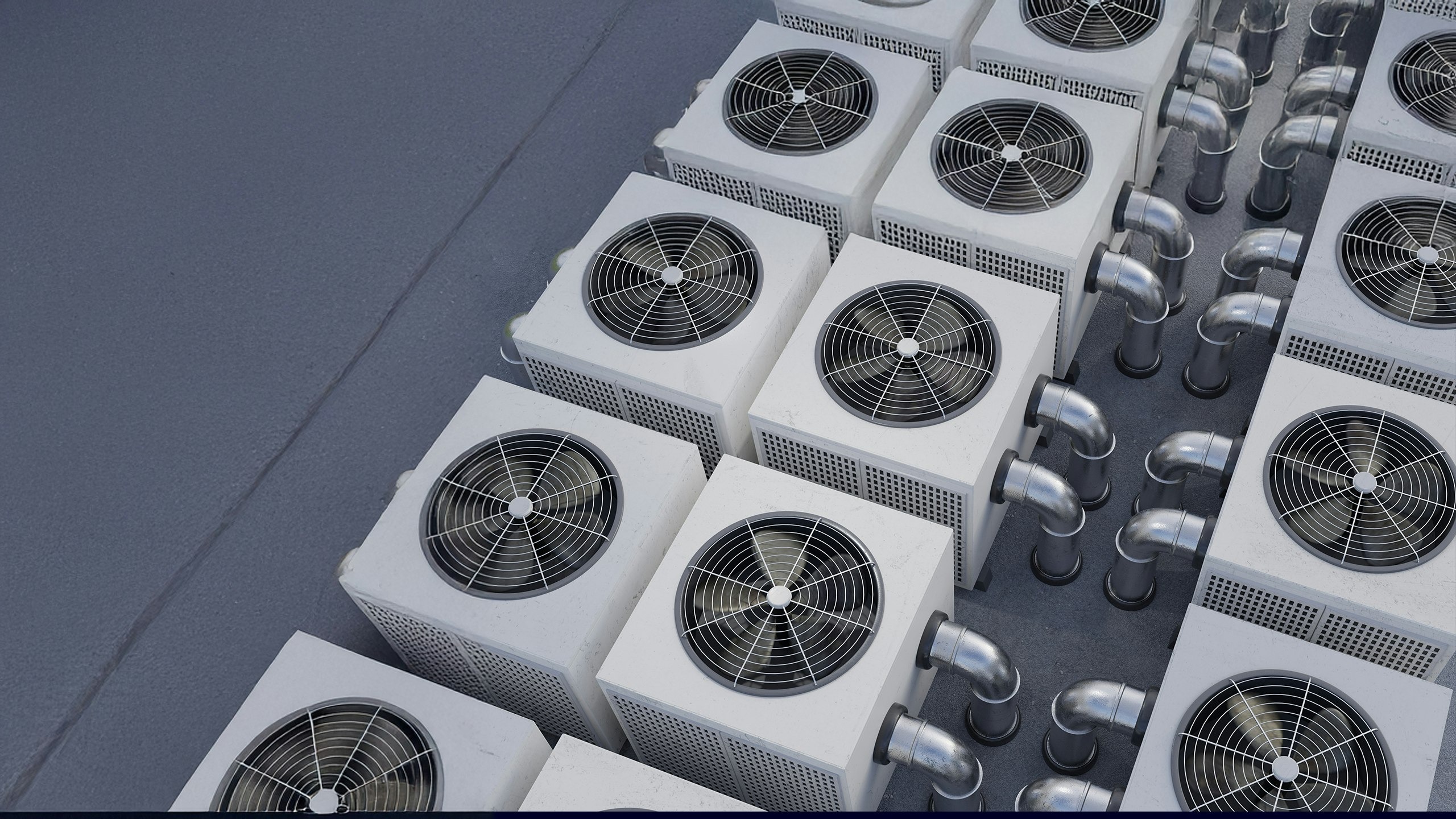
Regular maintenance is crucial for maintaining optimal cooling performance. Cleaning or replacing the air filters frequently prevents dust and debris from accumulating, which can restrict airflow and reduce efficiency. Filters that are clogged force the unit to work harder, leading to higher energy consumption and less effective cooling. Additionally, checking the outdoor condenser unit is essential. The condenser should be kept clear of obstructions such as leaves, dirt, or debris, which can block airflow and reduce heat exchange efficiency. Keeping the outdoor unit clean ensures it can dissipate heat properly, allowing the system to cool indoor air more effectively.
Another way to improve cooling performance is by ensuring that the refrigerant levels are appropriate. Low refrigerant can cause the system to struggle in maintaining the desired temperature. If you suspect refrigerant issues, it’s best to have a qualified technician inspect and recharge the system as needed. Proper refrigerant levels allow the mini split to operate at peak efficiency and provide consistent cooling.
Using the system’s thermostat wisely also plays a role in enhancing cooling. Setting the temperature to a moderate level rather than extremely low can prevent the unit from overworking and maintain steady cooling. Additionally, utilizing the unit’s features such as timers, sleep modes, or eco settings can optimize energy use while maintaining comfort. Ensuring that windows and doors are closed tightly during operation prevents warm air from entering the room, which helps the mini split maintain the desired temperature with less effort.
Lastly, insulating the room properly can complement the mini split’s cooling performance. Poor insulation allows cool air to escape and warm air to enter, making it harder for the system to keep the space comfortable. By sealing gaps and improving insulation, you reduce the workload on the mini split, which results in better cooling efficiency and lower energy bills. Through these combined efforts—correct installation, regular maintenance, proper refrigerant levels, smart thermostat use, and good insulation—the cooling performance of a Mini Split Air Conditioner can be significantly improved.