
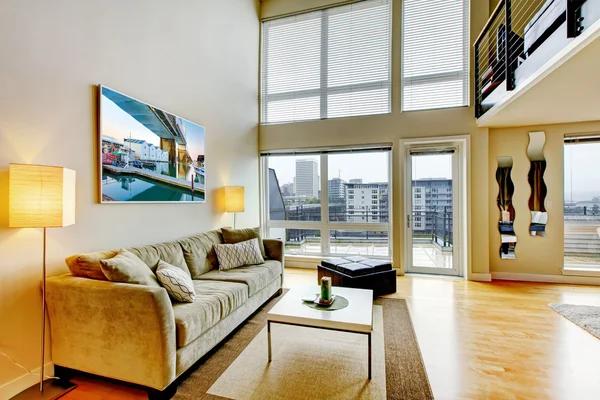
Apartment layouts play a crucial role in determining the functionality and livability of a space. The design and arrangement of rooms affect how residents interact with their environment, impacting everything from daily routines to social interactions. A well-thought-out layout can transform even the smallest apartment into a comfortable and efficient living area.
One of the primary reasons apartment layouts matter is because they influence space utilization. In urban settings where space is often at a premium, maximizing every square foot becomes essential. An intelligently designed layout ensures that no area is wasted, allowing residents to enjoy more functional spaces without feeling cramped or cluttered. For instance, open floor plans are popular because they eliminate unnecessary walls, creating a sense of spaciousness while enhancing natural light flow throughout the apartment.
Moreover, effective layouts facilitate better movement within an apartment. Strategic placement of furniture and thoughtful room arrangements can significantly enhance traffic flow, making it easier for residents to navigate their homes effortlessly. This consideration becomes particularly important in smaller apartments where limited space requires careful planning to avoid obstacles and congestion.
Functionality extends beyond mere physical movement; it also encompasses how well different areas serve their intended purposes. A good layout aligns with the lifestyle needs of its occupants by providing dedicated spaces for various activities such as cooking, dining, working, relaxing, and entertaining guests. For example, placing the kitchen near the dining area simplifies meal preparation and serving processes while keeping these activities separate from relaxation zones like living rooms or bedrooms.
Additionally, privacy considerations are vital when designing an apartment layout. Properly positioned walls or partitions ensure that private areas such as bedrooms remain secluded from common areas like living rooms or kitchens—essential for maintaining personal boundaries in shared living situations or family environments.
Storage solutions are another critical aspect influenced by layout design—incorporating built-in shelves or closets within strategic locations maximizes storage capacity without encroaching on valuable floor space needed for other functions like walking paths or seating arrangements.
Furthermore, flexible layouts accommodate changing needs over time—a growing family might require see additional resources sleeping quarters; remote workers may need home office setups; hobbyists could benefit from creative workspaces—all achievable through adaptable designs that anticipate future adjustments without necessitating major renovations.