
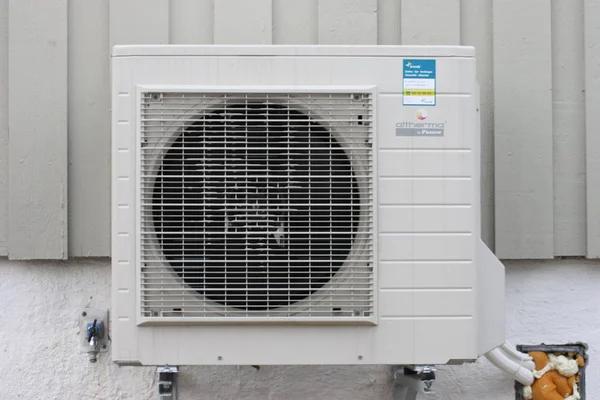
Advancements in heating and air technology have significantly transformed the way homeowners manage indoor comfort, making it smarter, more efficient, and environmentally friendly. Modern innovations focus on integrating intelligent systems that adapt to individual needs while optimizing energy usage. One of the most notable developments is the rise of smart thermostats. These devices go beyond traditional temperature control by learning user preferences through machine learning algorithms. They adjust heating and cooling schedules automatically based on occupancy patterns, weather forecasts, and even real-time energy pricing. This level of automation not only enhances comfort but also reduces unnecessary energy consumption.
Another key innovation is zoning technology within HVAC systems. Instead of treating an entire home as a single climate zone, zoning allows different areas or rooms to be heated or cooled independently according to specific requirements. This customization improves overall comfort by addressing varying temperature preferences among household members and minimizes wasted energy by avoiding conditioning unused spaces. Zoning can be controlled manually or integrated with smart home platforms for seamless operation through mobile apps or voice commands.
Variable speed compressors represent a significant leap forward in air conditioning efficiency. Unlike traditional units that operate at fixed speeds, variable speed compressors adjust their output continuously to meet precise cooling demands. This results in more consistent temperatures without frequent cycling on and off, reducing wear on equipment while lowering electricity bills. Additionally, these compressors contribute to quieter operation compared to conventional models.
Air purification technologies are increasingly incorporated into modern HVAC systems as well. Advanced filtration methods such as HEPA filters combined with ultraviolet germicidal irradiation (UVGI) help remove airborne contaminants like dust, pollen, bacteria, viruses, and volatile organic compounds (VOCs). Maintaining cleaner indoor air quality is essential for health-conscious homeowners and those with allergies or respiratory conditions.
Integration with renewable energy sources marks another important trend in heating and air innovations. Heat pumps powered by solar panels offer an eco-friendly alternative to fossil fuel-based heating methods by transferring heat rather than generating it through combustion processes. These systems provide efficient year-round climate control while significantly reducing carbon footprints.
In summary, Essential Heating and Air innovations center around smarter controls, personalized comfort zones, improved efficiency components like variable speed compressors, enhanced indoor air quality measures, and sustainable energy integration.