
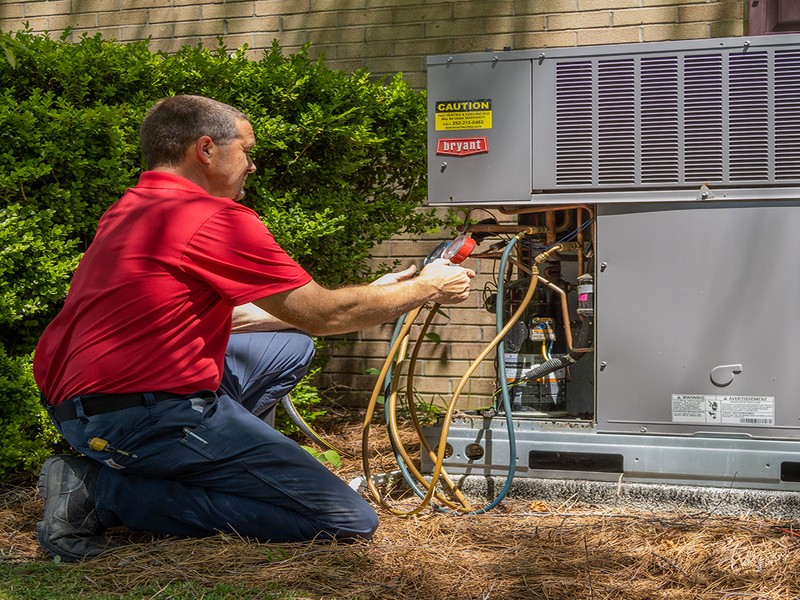
An HVAC contractor plays a crucial role in improving energy efficiency within residential and commercial buildings. Their expertise extends beyond merely installing heating, ventilation, and air conditioning systems; they assess existing setups to identify inefficiencies and recommend solutions that reduce energy consumption while maintaining comfort. One of the primary ways an HVAC contractor enhances energy efficiency is through proper system sizing. An oversized or undersized unit can lead to excessive energy use, frequent cycling, and uneven temperature distribution. Contractors perform detailed load calculations based on factors like building size, insulation quality, window placement, and local climate conditions to ensure the selected equipment matches the specific needs of the property.
In addition to selecting appropriately sized equipment, HVAC contractors emphasize regular maintenance as a key factor in sustaining optimal performance. Dirty filters, clogged coils, or malfunctioning components force systems to work harder than necessary, increasing electricity usage and wear on parts. By conducting routine inspections and cleaning tasks such as replacing air filters or clearing debris from condenser coils, contractors help maintain efficient airflow and heat exchange processes. They also check refrigerant levels because incorrect amounts can drastically reduce system effectiveness while consuming more power.
Upgrading outdated systems is another method by which contractors improve energy efficiency. Older units often lack modern technologies designed for better performance at lower costs. Installing high-efficiency models equipped with variable speed motors or smart thermostats enables precise control over temperature settings and fan speeds according to real-time demand rather than fixed cycles. These advancements minimize wasted energy during periods of low occupancy or mild weather conditions.
Furthermore, HVAC professionals evaluate ductwork integrity since leaks or poor insulation cause conditioned air to escape before reaching intended rooms. Sealing gaps with mastic sealant or metal tape prevents loss of cooled or heated air into unconditioned spaces like attics or crawlspaces. Insulating ducts further reduces thermal transfer losses along their paths.
Contractors may also suggest integrating renewable energy sources such as solar-powered ventilation fans or geothermal heat pumps when appropriate for the location and budget constraints. These options significantly cut reliance on fossil fuels by harnessing naturally replenished resources.
By combining accurate system design, diligent maintenance practices, strategic upgrades, ductwork optimization, and renewable integrations where feasible, an HVAC contractor ensures that heating and cooling operations consume less energy without sacrificing comfort levels inside buildings. This comprehensive approach not only lowers utility bills but also contributes positively toward environmental sustainability goals by reducing carbon footprints associated with inefficient climate control systems commonly found in many structures today.