
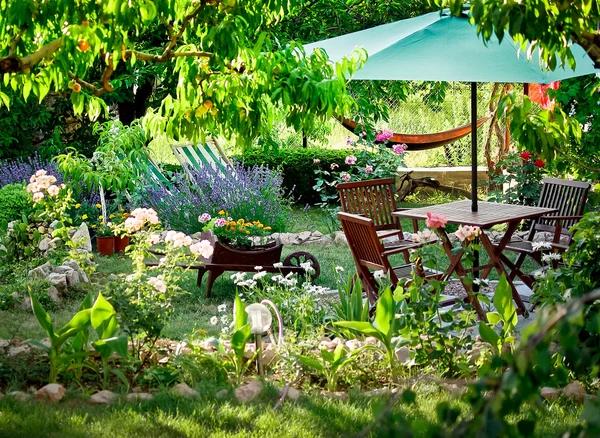
Sometimes you come across an article that makes you pause and reflect, and this happened to me recently. A post about the design perspective of garden egg stew got me thinking about how design principles apply not just to visual arts but also to culinary arts, gardening, and even educational spaces. It’s fascinating to explore how these areas intersect to create holistic, sensory experiences.
Culinary Design: Beyond Flavor
When you think of designing a dish like garden egg stew, it’s not just about taste. It’s an interplay of colors, textures, and even the sounds of ingredients as they sizzle in the pan. The post I read (https://bossofmyfeelings.com/2026/08/10/garden-egg-stew-a-design-perspective/) highlighted how a dish can be as much a visual masterpiece as it is a culinary delight. Imagine presenting a stew in a way that reflects the vibrant hues of a flower-filled daylily garden. The bright yellows and greens can enhance the dining experience, turning a simple meal into a feast for the senses.
Designing Your Garden Stream
Just as you would design a dish, you can think about the design of a garden stream in your backyard. Consider the flow and sound of water as integral parts of your garden’s ambiance. The strategic placement of stones and plants can create a soothing environment reminiscent of the calm you feel when savoring a well-prepared dish. The connection between culinary design and garden design lies in their shared goal of creating harmony and balance.
Classroom Gardens: Learning Through Design
Incorporating design into a classroom garden can be a fantastic way to teach students about nature, sustainability, and aesthetics. By involving students in the planning and planting process, you provide them with a hands-on learning experience that mirrors the artistry involved in creating garden egg stew. They learn how different elements work together, much like ingredients in a recipe, to produce something beautiful and functional.
The Magic of Pan’s Garden
Reflecting on the mythical Pan’s Garden, you can draw parallels to both culinary and garden design. Pan’s Garden, a place of whimsy and wonder, represents the ultimate blend of nature and creativity. When you design a space—or a dish—with this in mind, you strive for an experience that captivates and enchants. The idea is to create something that tells a story, much like each ingredient in garden egg stew contributes to the narrative of the dish.
Takeaway: Design with Intention
Whether you’re cooking up a garden egg stew, designing a garden stream, or planning a classroom garden, the key takeaway is to design with intention. Think about the elements at your disposal and how they can be arranged to create something greater than the sum of its parts. By doing so, you not only enhance the aesthetic appeal but also enrich the experience for yourself and others. With thoughtful design, every meal, garden, and learning space can become a masterpiece.