
Installing a new HVAC system is a significant investment for any homeowner or business owner. To ensure that your new heating, ventilation, and air conditioning unit performs efficiently and lasts for many years, it is crucial to understand the key stages involved in its installation. Proper installation not only maximizes the system’s efficiency but also reduces energy consumption, lowers utility bills, and maintains indoor air quality. Here are the essential installation stages that contribute to the optimal performance of your new HVAC system.
The first step in the installation process is conducting a thorough assessment of your property. This includes evaluating the size of the space, insulation levels, window placement, and existing ductwork. Professionals use this information to perform a load calculation, which determines the appropriate size and capacity of the HVAC system needed. Selecting the right system size is critical; an undersized unit will struggle to maintain comfortable temperatures, while an oversized system will cycle on and off frequently, wasting energy and causing wear.
Once the load calculation is complete, the next stage involves designing the HVAC system layout. This includes planning ductwork routes, vent placements, and the positioning of heating and cooling units to ensure balanced airflow throughout the property. Proper design helps prevent common issues such as uneven heating or cooling and hotspots within rooms. Additionally, planning allows the installation team to address any potential obstacles early, reducing delays and unexpected costs.
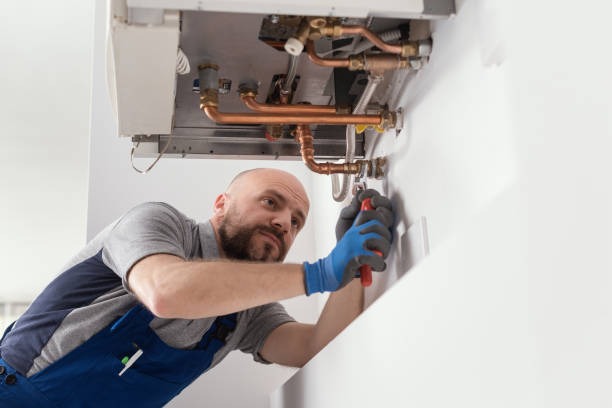
During the installation phase, technicians carefully install the HVAC components according to the design plan. This includes mounting the furnace or air handler, connecting refrigerant lines, installing thermostats, and setting up ventilation discover more systems. Attention to detail in this stage is vital; improper connections or poor sealing can lead to leaks, reduced efficiency, and system malfunctions. Technicians also ensure electrical connections are safe and comply with local codes.
After installation, the system undergoes rigorous testing and calibration. This stage involves checking refrigerant levels, airflow rates, and thermostat accuracy. Technicians verify that the system operates within manufacturer specifications and adjusts settings to optimize performance. Testing also includes a leak inspection and ensuring that safety features function correctly. Proper calibration ensures your HVAC system delivers consistent comfort and operates at peak efficiency.
The final stage of installation is educating the homeowner or building manager on system operation and maintenance. Understanding how to use the thermostat effectively, change filters, and schedule routine inspections can prolong the life of your HVAC system and maintain its efficiency. Regular maintenance, such as cleaning coils and inspecting ducts, is essential to avoid costly repairs and ensure reliable performance year-round.
In conclusion, following these key installation stages—from assessment and planning to testing and user education—ensures your new HVAC system performs efficiently and effectively. Investing in professional installation and understanding the process can save you money, enhance comfort, and contribute to a healthier indoor environment.