
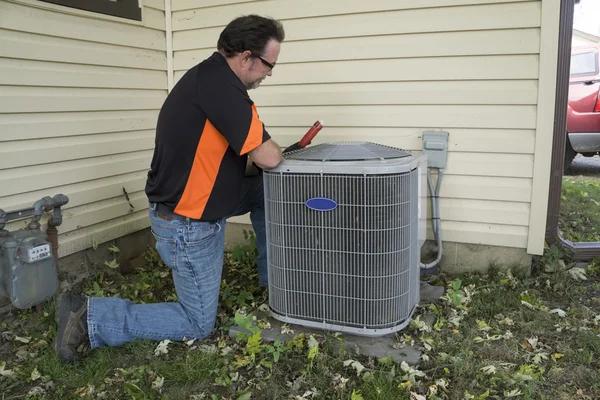
When the scorching heat of summer hits, a well-functioning air conditioning unit becomes an essential part of maintaining comfort in your home. However, if you find that your AC is not cooling as effectively as it should, one potential culprit could be a failing compressor. The compressor is the heart of an air conditioning system, responsible for circulating refrigerant and facilitating heat exchange. Recognizing the signs of a failing compressor early can save you from costly repairs or replacements.
One of the most common indicators that your AC compressor might be failing is reduced airflow coming from the vents. If you notice that even though you’ve set your thermostat to a cooler temperature, the air blowing out isn’t as cold or strong as it used to be, explore this link for additional information could suggest that the compressor is struggling to circulate refrigerant efficiently. This inefficiency leads to inadequate cooling and can make indoor temperatures uncomfortable despite having an operational AC unit.
Another telltale sign is unusual noises emanating from your outdoor unit. While some noise during operation is normal, grinding, rattling, or clunking sounds are not typical and often indicate internal components within the compressor are wearing out or have become damaged. These noises should not be ignored as they often precede more significant mechanical failures which may require extensive repairs.
A tripped circuit breaker can also signal issues with your AC’s compressor. If you find yourself frequently resetting breakers connected to your air conditioner, this could indicate that the compressor motor is overheating due to excessive electrical load or internal malfunctions. Consistent tripping suggests there might be an underlying problem requiring immediate professional attention before further damage occurs.
Additionally, warm air instead of cool air blowing from vents when running your AC points directly toward potential problems with the compression cycle within your system’s mechanics.