
A thorough home plumbing inspection is essential for identifying hidden issues that could lead to costly repairs or water damage. Many problems within a plumbing system often remain unnoticed until they escalate, making early detection crucial. Inspecting both visible and concealed components of the plumbing network helps maintain the overall health of a home’s infrastructure and ensures safety and efficiency.
One key aspect of a plumbing inspection involves checking for leaks in pipes, joints, and fixtures. Even small drips can indicate underlying problems such as corrosion or loose connections. These leaks not only waste water but may also cause structural damage over time if left unaddressed. Inspectors use various methods to detect leaks, including visual examination, moisture meters, and pressure testing to identify areas where water escapes the system.
Another important area is evaluating the condition of pipes themselves. Over time, materials like galvanized steel or cast iron may corrode or develop blockages due to mineral buildup or debris accumulation. Modern homes often use copper or PVC piping, which are more resistant but still require routine checks for cracks or wear caused by shifting foundations or temperature changes. Identifying deteriorated sections early allows homeowners to replace them before failures occur.
Drainage systems also warrant close attention during inspections because slow drains or backups can signal clogs deeper in the lines or tree root intrusions underground. A professional plumber might employ video camera technology to inspect sewer lines internally without excavation. visit this page approach reveals hidden cracks, breaks, roots infiltration, and other damages that disrupt proper flow and pose health hazards from sewage exposure.
Water pressure assessment forms part of a comprehensive evaluation since excessively high pressure stresses pipes and fixtures while low pressure reduces appliance performance and user comfort. Pressure regulators should be tested for functionality alongside valves controlling flow throughout the property.
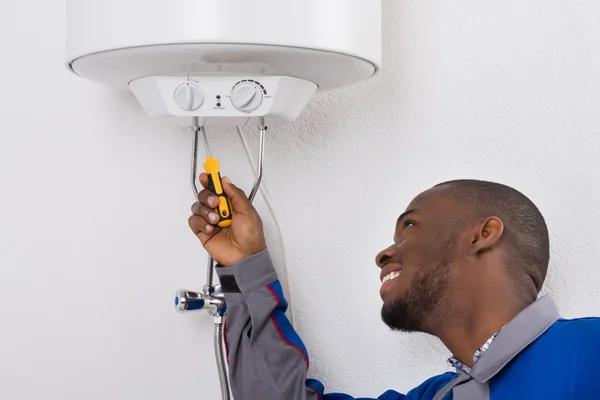
In addition to physical components, inspectors examine water heaters for signs of rusting tanks, sediment buildup affecting efficiency, faulty thermostats causing inconsistent heating temperatures, and potential safety risks like gas leaks in combustion models.
Homeowners benefit greatly from regular professional inspections combined with their own vigilance regarding unusual noises from pipes, unexplained increases in water bills indicating possible leaks behind walls or under floors, discoloration around faucets signaling mineral deposits from hard water conditions that might accelerate pipe degradation.
Overall, investing time into detailed plumbing inspections uncovers concealed defects before they cause significant inconvenience or expense while prolonging system lifespan through timely maintenance actions tailored specifically to each household’s needs.